
Reliable Termite Control Solutions for Your Home
Effective Termite Control for Your Home
Protect your property from destructive termites today!
About Termite control
Understanding Termite Control
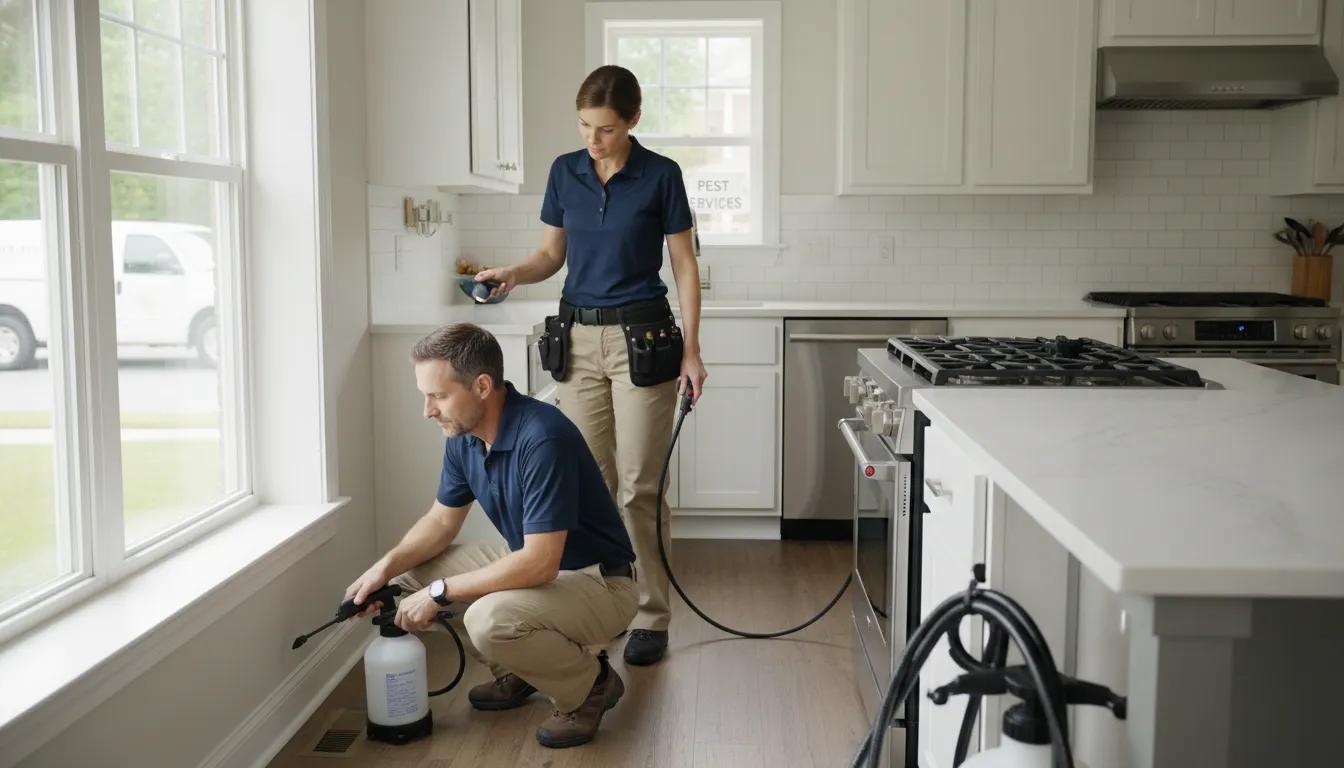
Termite control is a critical aspect of home maintenance, particularly for homeowners in regions where termites are prevalent. These wood-destroying insects can cause significant structural damage if left unchecked, often compromising the integrity of a home before signs of infestation are even visible. Homeowners should be aware that termite control encompasses not only the eradication of existing infestations but also preventive measures to safeguard against future incursions. Regular inspections by pest control professionals can help in identifying early signs of termite activity, which is crucial in mitigating potential damage.
Termite control is typically needed when signs of an infestation are detected. Common indicators include mud tubes along walls, hollow-sounding wood, and discarded wings near windows or doors. Homeowners should also be vigilant about environmental factors conducive to termite activity, such as moisture accumulation and wooden structures in contact with soil. If any of these signs are observed, it is essential to act promptly. Delaying treatment can lead to extensive damage, often resulting in costly repairs and a decrease in property value.
The methods used in termite control vary depending on the severity of the infestation and the type of termites involved. Common approaches include liquid treatments, baiting systems, and fumigation. Liquid treatments involve applying a chemical barrier around the perimeter of the home to deter termites from entering. Baiting systems consist of strategically placed bait stations that contain slow-acting insecticides, which termites consume and carry back to their colonies, effectively eliminating them over time. In severe infestations, fumigation may be necessary, which involves sealing the home and introducing a gas that penetrates all areas, ensuring complete eradication of termites.
The outcome of effective termite control is a significant reduction or elimination of termite activity, resulting in the protection of the home’s structural integrity. In addition to eradicating existing infestations, a robust termite control plan includes ongoing monitoring and preventive measures to deter future invasions. Homeowners should consider regular inspections and treatments as part of their property maintenance routine to ensure long-term protection against termites, thereby preserving both the value and safety of their homes.
Termite Damage to Homes
Termites can cause significant damage to your home if left unchecked. These destructive pests can quickly compromise the structural integrity of your property, leading to costly repairs.
Our Comprehensive Termite Control Solutions
At Pest Control in Alabama, we utilize a combination of thorough inspections, Sentricon-style baiting systems, and direct soil treatments with Termidor to eliminate termites effectively.
Call +18338898250Termite Inspections
Thorough assessments to identify termite presence.
Baiting Systems
Effective baiting techniques to eliminate colonies.
Soil Treatment
Direct treatment to prevent termite infestations.
Preventative Treatments
Long-term solutions to keep your home termite-free.
Wood Treatment
Protective measures for wooden structures.
Why Choose a Local Pro
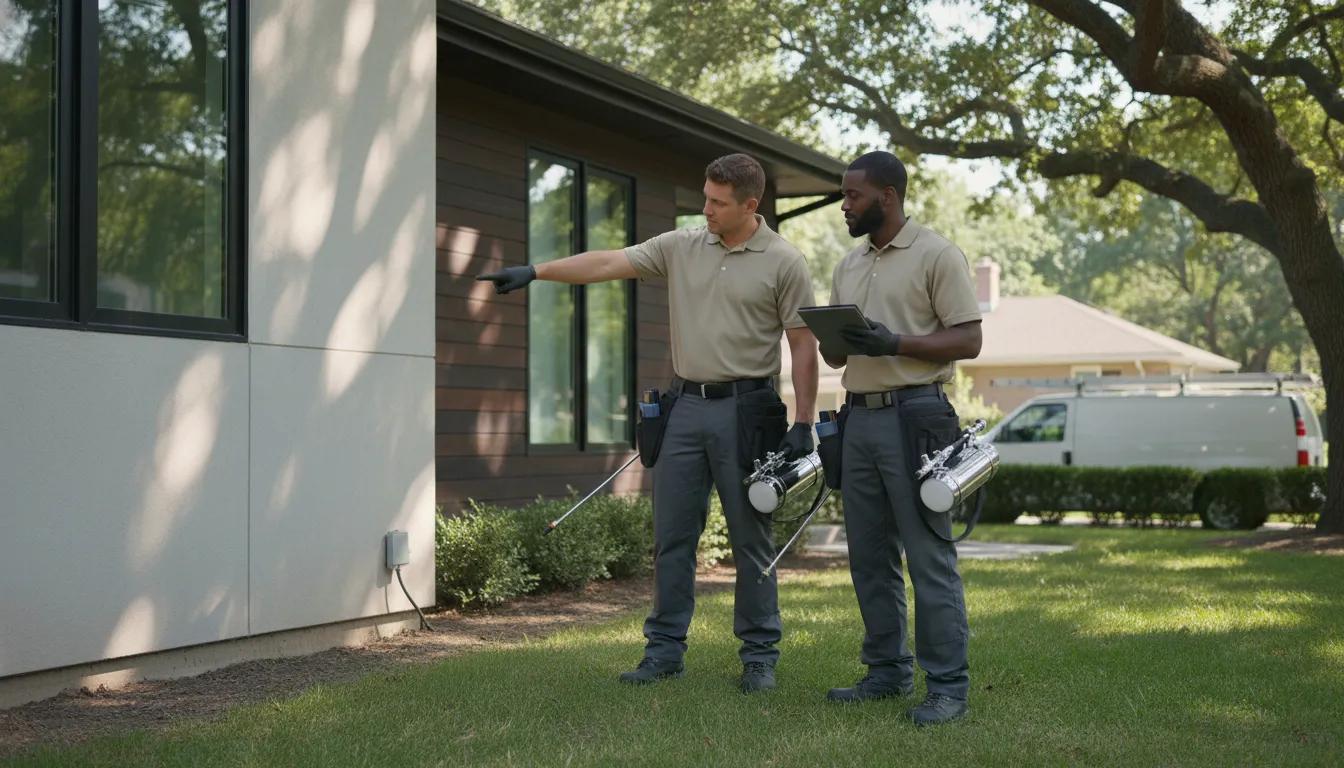
Choosing a local provider for termite control offers several significant advantages, particularly in terms of response time. Local companies can quickly address infestations, ensuring that treatments are implemented without delay. In contrast, larger, national chains may have longer wait times due to their centralized operations and scheduling systems. Rapid response is crucial in termite control, as these pests can cause extensive damage in a short period. A local provider can assess the situation promptly and begin treatment, minimizing potential destruction to one’s home.
Another key benefit is the familiarity with local conditions. Local termite control experts have a deep understanding of the specific types of termites prevalent in the area, as well as the environmental factors that contribute to infestations. This knowledge allows them to tailor their approach more effectively than providers from outside the region. They are likely to be aware of seasonal patterns and other factors that can influence pest behavior, enabling them to implement more effective preventative measures and treatments tailored to the local ecosystem.
Accountability is also a crucial aspect of hiring a local provider. Local businesses often rely heavily on their reputation within the community, leading them to prioritize customer satisfaction. If issues arise after treatment, local companies are more accessible for follow-ups and consultations, fostering a sense of trust and accountability. Clients can easily reach out for additional services or concerns, knowing that they are working with a provider who is invested in maintaining a long-term relationship and upholding their reputation in the community.
Our Termite control Process
- 1
Inspect for termite activity
- 2
Identify affected areas
- 3
Choose treatment method
- 4
Apply chemical barriers
- 5
Use baiting systems
- 6
Monitor and maintain treatment
- 7
Prevent future infestations
What to Expect
Step 1: Initial Contact and Inspection
The termite control process begins with your initial contact with our team. When you reach out, we will schedule a convenient time for a thorough inspection of your property. Our certified technicians will arrive promptly and conduct a detailed assessment of both the interior and exterior, focusing on areas that are vulnerable to termite infestation, such as basements, attics, and wooden structures. During this inspection, we will identify any signs of termite activity, including damaged wood, mud tubes, or droppings. Following the inspection, we will provide you with a comprehensive report outlining our findings, along with recommendations for treatment.Step 2: Treatment Plan Development and Execution
Once the inspection is complete, we will discuss a tailored treatment plan that best suits your specific situation. This plan may include methods such as liquid treatments, bait systems, or a combination of both, depending on the severity of the infestation and the structural considerations of your home. Our technicians will explain each step of the proposed treatment, ensuring you are fully informed. Upon your approval, we will schedule the treatment at a time that works for you. Our experienced team will execute the treatment with precision, employing industry-standard techniques to eliminate the termites effectively while minimizing disruption to your daily routine.Step 3: Follow-Up and Prevention
After the treatment is completed, our commitment to you doesn’t end there. We will schedule a follow-up inspection to ensure that the treatment was successful and to assess any potential risks for future infestations. This follow-up typically occurs a few months after the initial treatment. Additionally, we will provide you with guidance on preventative measures, such as moisture control and regular inspections, to help safeguard your home against future termite activity. Our goal is to ensure your peace of mind, knowing that your property is protected and that we are here to support you long after the initial treatment.
Common Reasons to Call
- Wood damage
- Structural integrity loss
- Pest prevention
- Home resale value
- Termite infestation
- Moisture issues
- Foundation damage
- Health concerns
Frequently Asked Questions
What is termite control?
Termite control involves methods to prevent and eliminate termite infestations in homes. This usually includes inspections, baiting systems, and soil treatments.
How do I know if I need termite control?
Signs of termite damage include mud tubes, discarded wings, and hollow-sounding wood. If you suspect termites, contact a professional for an inspection.
How often should I have termite control?
It's recommended to have annual inspections to catch any infestations early. Regular treatments can also prevent future issues.
What is the best method for termite control?
The best method can vary based on the infestation level, but a combination of baiting systems and direct soil treatments is highly effective.
Can I do termite control myself?
While some DIY methods exist, professional termite control is often necessary for effective and long-lasting results.